
Malaysia vs Thailand for Expats (2026): Visas, Tax, Property and Cost of Living
Malaysia or Thailand? It is one of the most common questions we hear from people planning a move to Southeast Asia. Both countries offer warm weather, great food and a lower cost of living than most Western cities. But the rules on visas, tax and owning property are very different. Here is a plain-English comparison, updated for October 2026.
1. Short stays: Thailand just got stricter
On 15 September 2026, Thailand ended its 60-day visa-free entry. Visitors from 60 countries and territories, including the UK, US, Canada and India, now get 30 days. Travellers arriving by land on the 30-day exemption are generally limited to two entries per calendar year (Envoy Global).
Malaysia lets citizens of many countries, including the UK and Australia, enter without a visa (Immigration Department of Malaysia). How long you can stay depends on your passport, so check your nationality on the Immigration Department website before you book.
Bottom line: if you like long "test drive" trips before committing, Malaysia is now the easier place to try out.
2. Remote workers: DE Rantau vs the DTV
Malaysia – DE Rantau Nomad Pass (MDEC FAQ):
- Income: at least USD 24,000 a year for tech roles, or USD 60,000 a year for non-tech roles
- Length: 3 to 12 months, renewable for another 12 months (24 months in total)
- Fee: RM1,080 per applicant and RM540 per dependant, plus 8% SST
- Announced, not yet in force: Budget 2027 says holders who reach the 2-year limit will be able to stay 2 more years. See our DE Rantau guide.
Thailand – Destination Thailand Visa (DTV) (The Thaiger):
- Savings: 500,000 THB, and many embassies expect it held for about 3 months
- Length: 5-year multiple-entry visa, 180 days per entry, extendable once per entry by 180 days (1,900 THB)
- Fee: about 10,000 THB per person
- Also open to people doing Muay Thai, cooking courses or medical treatment
Bottom line: Thailand's DTV runs longer and is open to more people. Malaysia's pass is simpler if you earn a steady remote income and want to settle in one place.
3. Retiring: MM2H vs Thailand's retirement visas
Malaysia – MM2H (Emerhub):
- Silver: USD 150,000 fixed deposit, 5-year pass, buy property from RM600,000
- Gold: USD 500,000 deposit, 15-year pass, property from RM1 million
- Platinum: USD 1 million deposit, 20-year pass, property from RM2 million
- Minimum age 25, so it isn't only for retirees
- Cheaper Special Economic Zone option: USD 65,000 deposit (USD 32,000 if you are 50+), 10-year pass
Thailand – Retirement (O-A) visa and LTR (Wego):
- Age 50+
- 800,000 THB in a Thai bank, or a pension of at least 65,000 THB a month
- Health insurance with at least USD 100,000 cover is required for the O-A visa
- The 10-year LTR "Wealthy Pensioner" visa needs about USD 80,000 a year in passive income
Bottom line: Thailand is cheaper to get into for most retirees. MM2H costs more up front but gives you a long pass, from age 25, in a country where you can own property in your own name.

4. Tax on foreign income: Malaysia's big advantage
Malaysia: foreign-sourced income received in Malaysia by resident individuals is tax-exempt until 31 December 2036, subject to conditions. The main exception is income from a partnership business in Malaysia (PwC Malaysian Tax Booklet).
Thailand: if you spend 180 days or more in Thailand in a year, foreign income earned from 1 January 2024 is taxed when you bring it into the country, at 5% to 35%. A draft rule would exempt money brought in within the year it is earned or the following year. It is still a draft and is not law yet (Brer Rabbit Legal).
Bottom line: for pensions, investments or remote income from abroad, Malaysia is currently the clearer, lower-tax option.
5. Owning property and assets
Malaysia (EdgeProp):
- Foreigners can own freehold or leasehold homes in their own name
- Many states set a minimum price of around RM1 million for apartments, and higher for landed homes
- Each purchase needs state approval, which takes about 1 to 3 months
- Foreign buyers now pay a flat 8% stamp duty on residential property
Thailand (Taxes for Expats):
- Foreigners generally cannot own land
- You can own a condo outright, as long as foreigners hold no more than 49% of the building
- Houses are usually held on a registered lease of up to 30 years
- Purchase money must come from abroad, with bank proof
Bottom line: Thailand has lower entry prices and buying costs. Malaysia lets you own a house or apartment outright, in your own name.
6. Cost of living: closer than you think
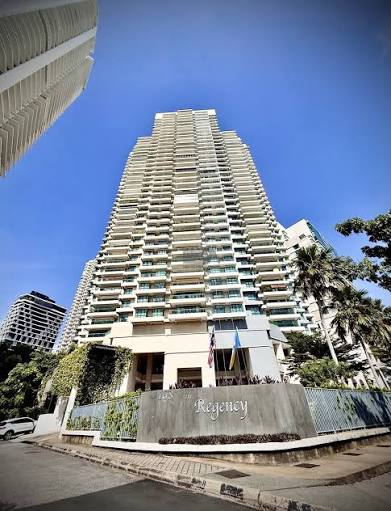
Kuala Lumpur and Bangkok come out almost the same. One person's monthly costs (with rent) are about USD 992 in KL and USD 996 in Bangkok. A downtown 1-bedroom apartment is around USD 654 in KL and USD 606 in Bangkok (Livingcost, June 2026).
Bottom line: pick based on visas, tax and lifestyle, not price.

Quick verdict
- Choose Malaysia if you want tax-free foreign income, easier long test-drive visits, and to own property in your own name.
- Choose Thailand if you want a flexible 5-year remote-work visa or a lower-cost retirement visa.
Rules change often. Always confirm with the official immigration, tax or land office before you apply or buy. This article is general information, not legal, tax or financial advice.
Need help with your move?
Every move is different. If you'd like help with your visa, tax, property or anything else about relocating to Malaysia, tell us about your move here and we'll get back to you.
WhatsApp: +60 14-845 9471 · Email: hello@expatsclubmalaysia.com


